The format that did the numbers
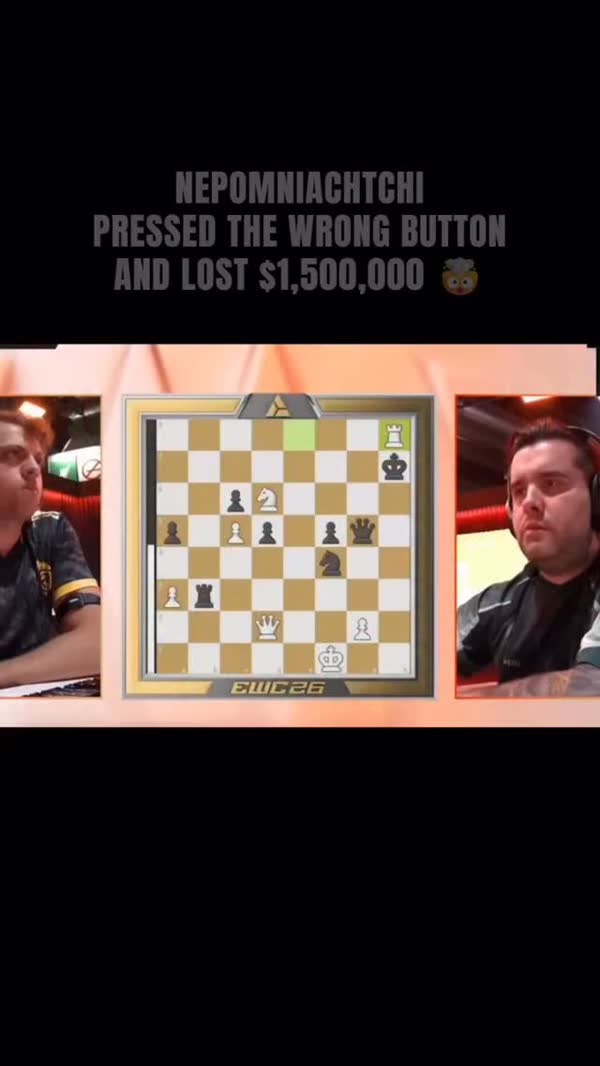
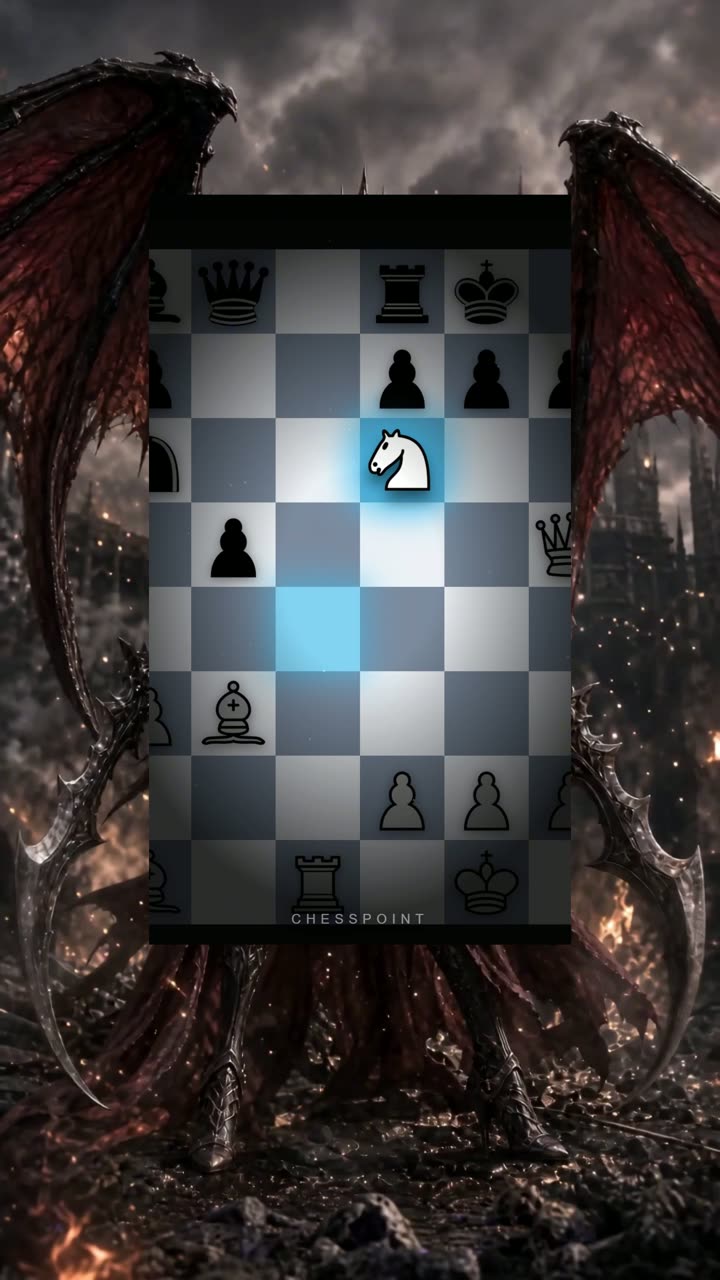
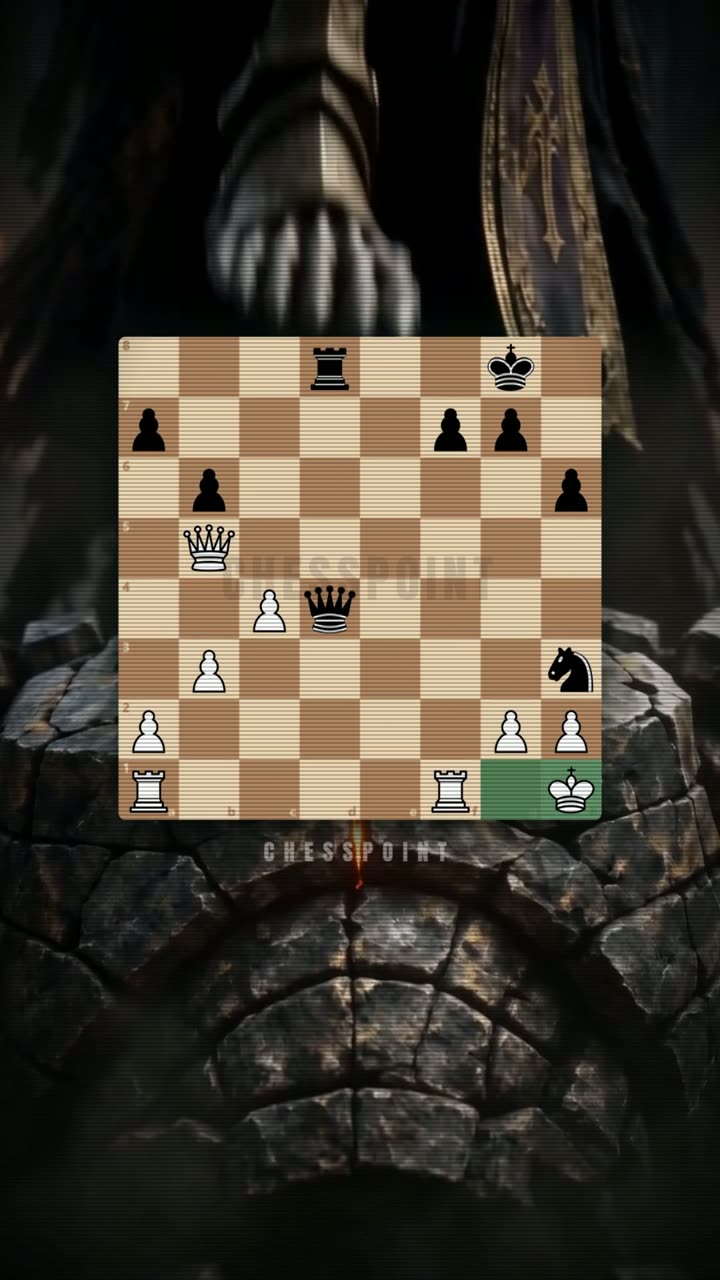
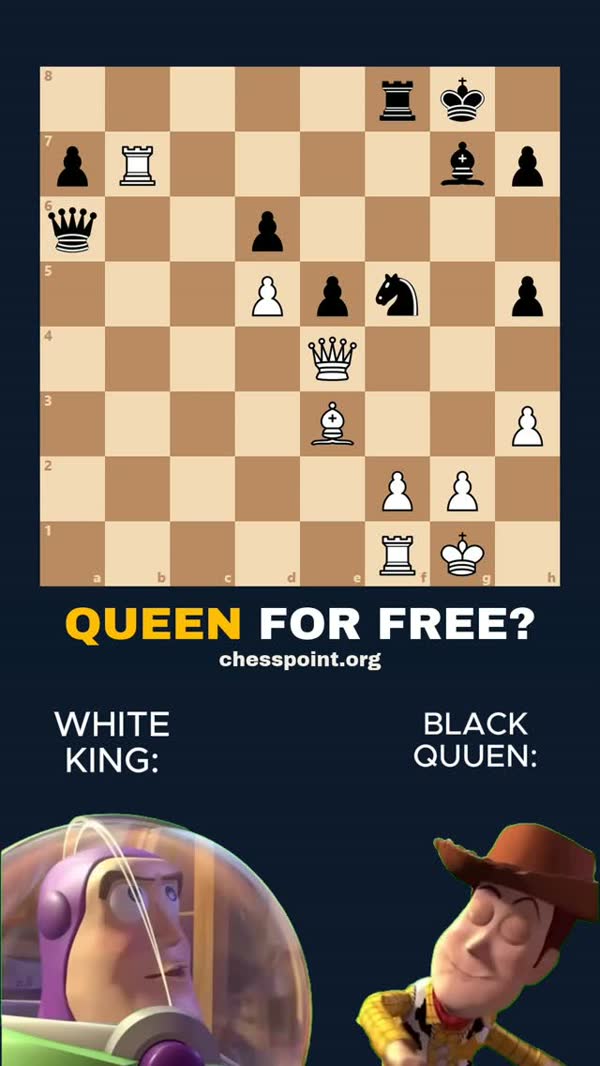
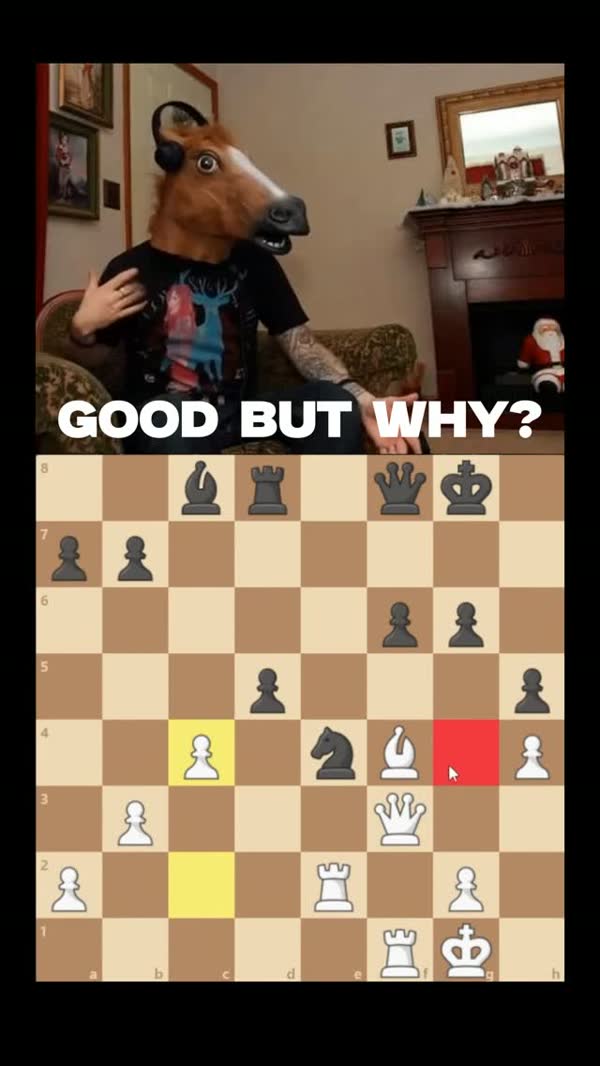
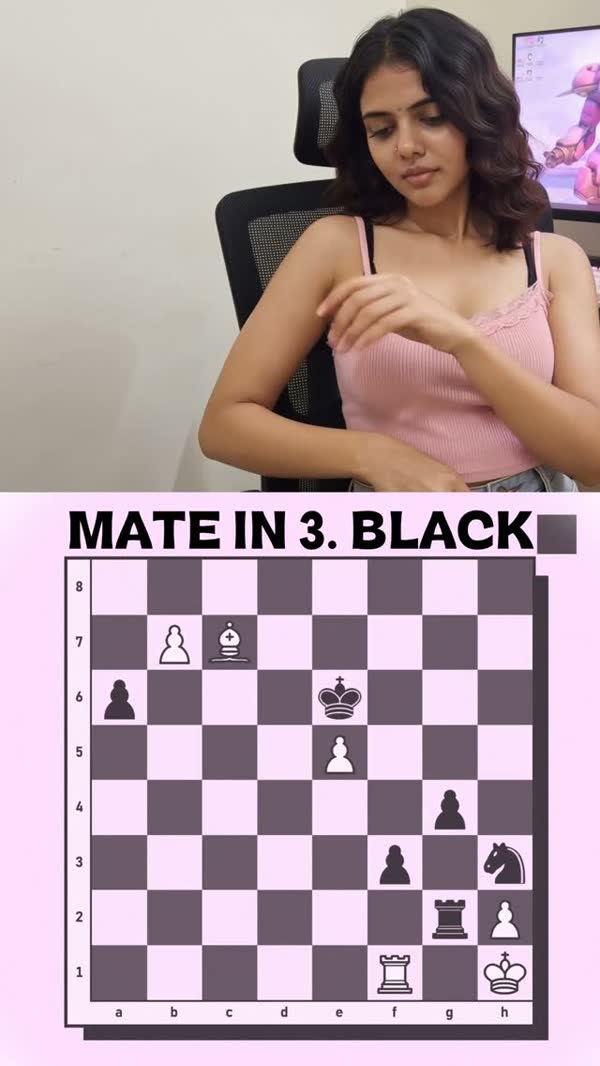
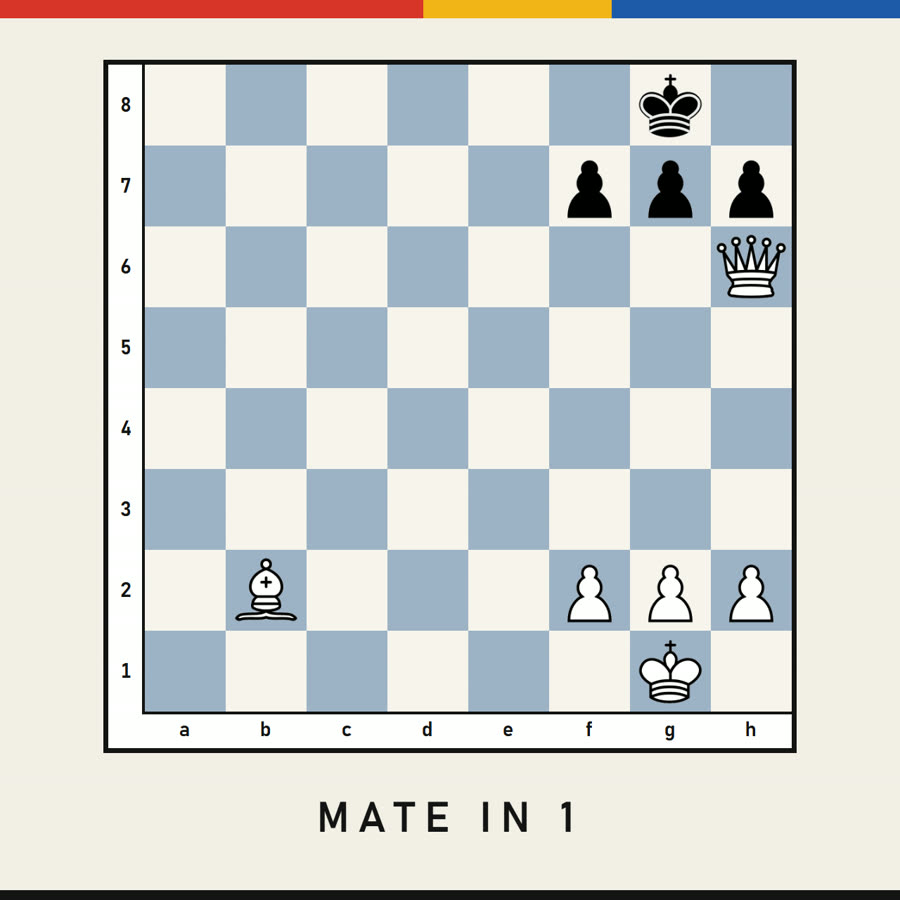
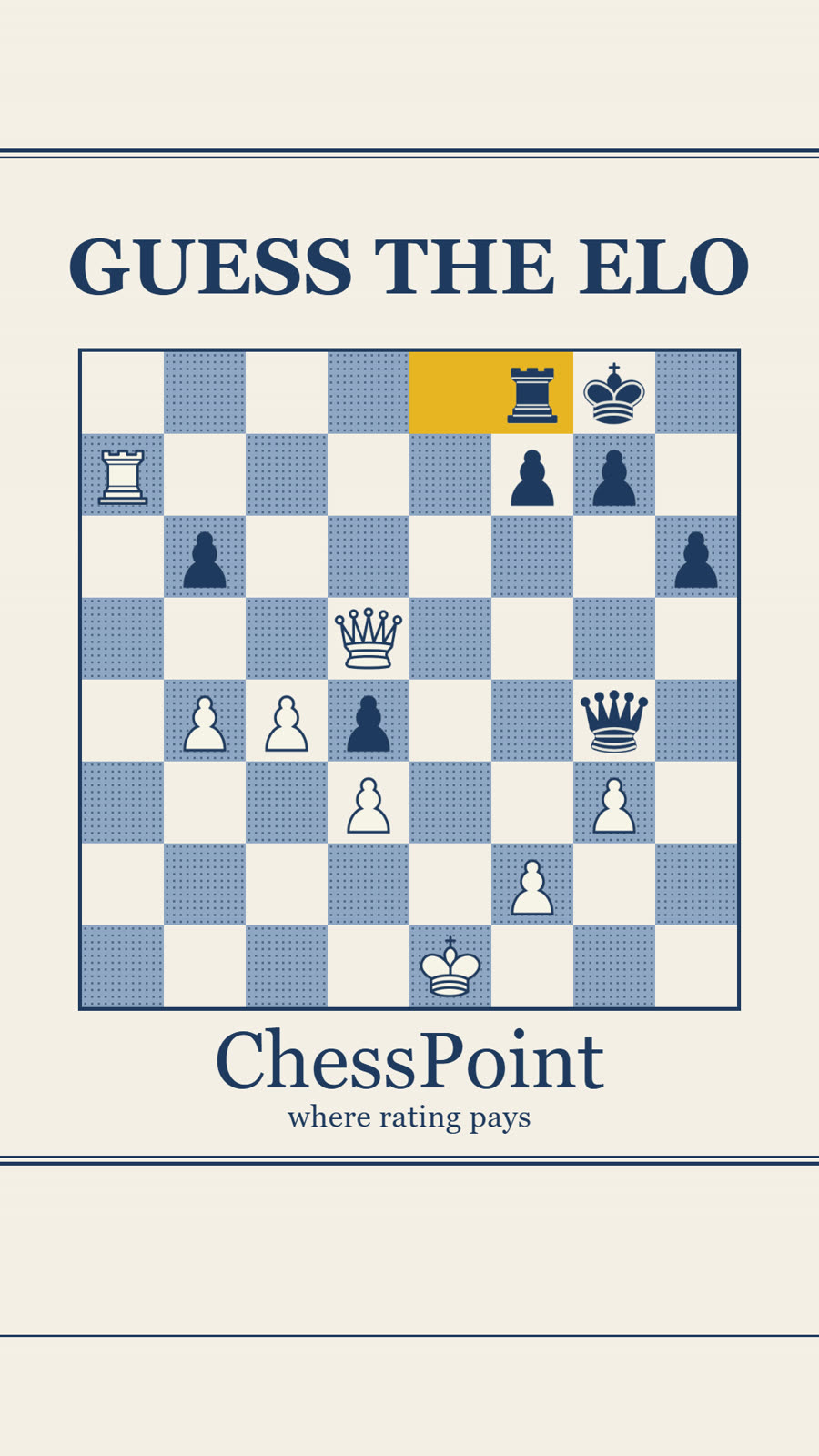
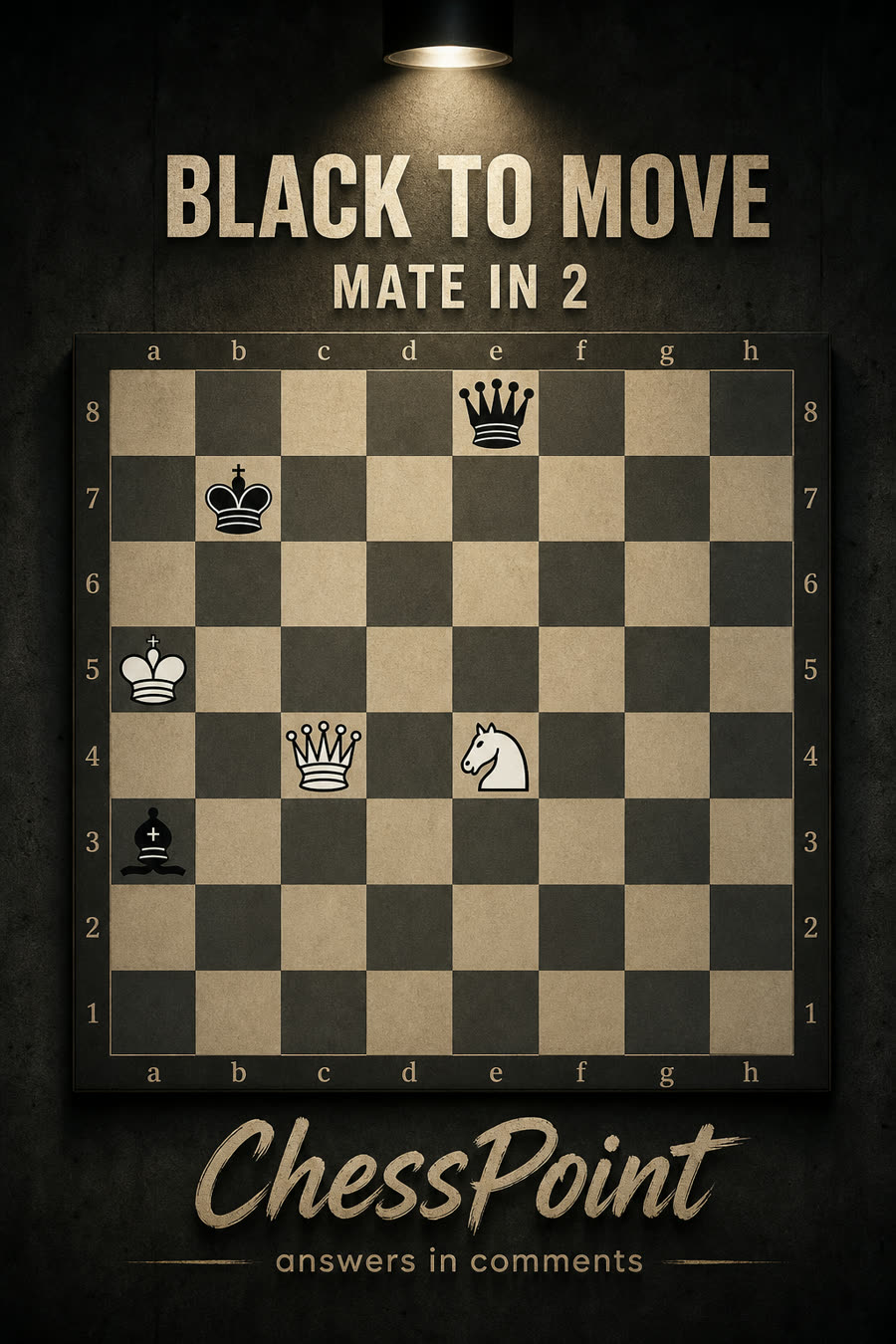
Deliberately primitive: a code-rendered puzzle in a photoreal scene, a one-line hook, no faces, no editing, no trend-chasing. New for the niche. Re-published three times it pulled about 2.65M views on an account that had under 4,000 followers — the same format, not one lucky post. Puzzles still carry the account: in the last week of October the three best reels were all full-board puzzles, at 88,328, 72,121 and 44,079 views.
top reels · organic views · may–aug 2026
source: Metricool export, Instagram account under 4K followers
weekly reel views · 16 weeks
Why the board is never generated
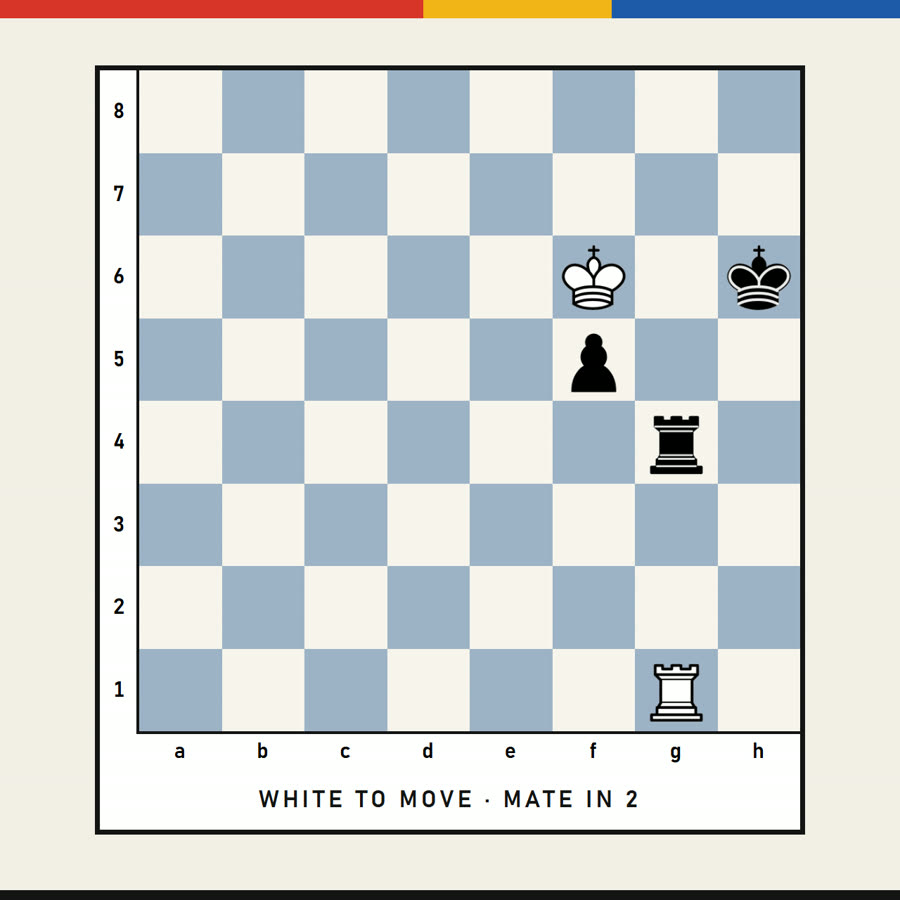
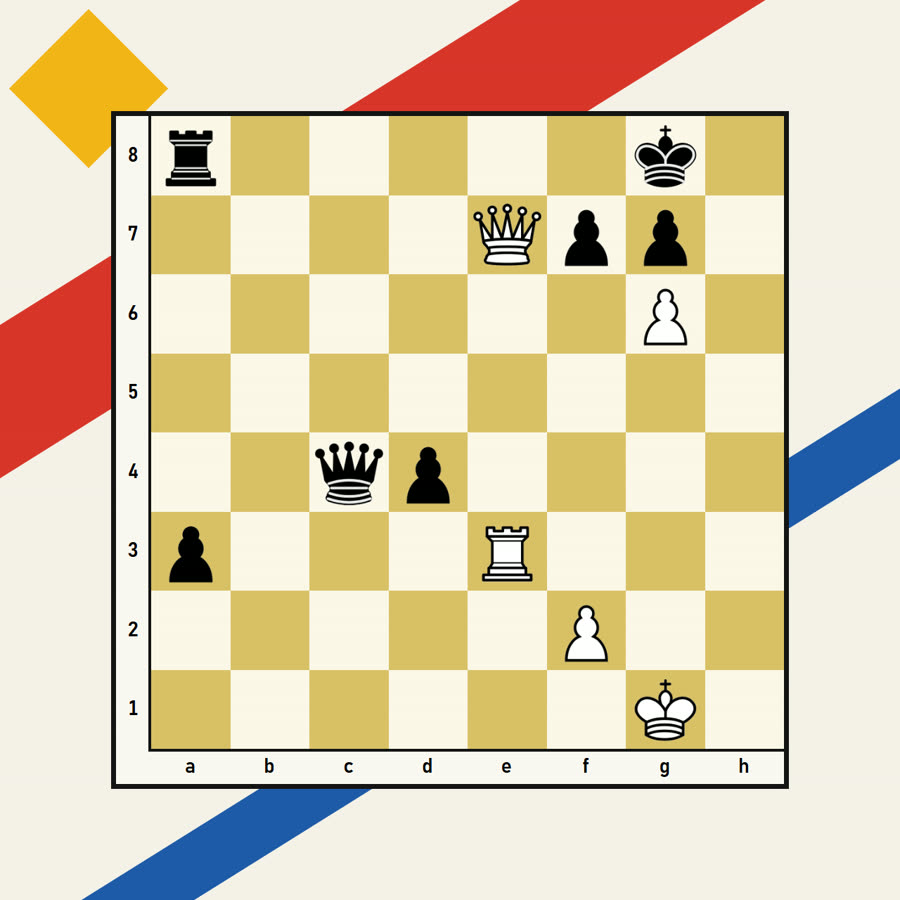
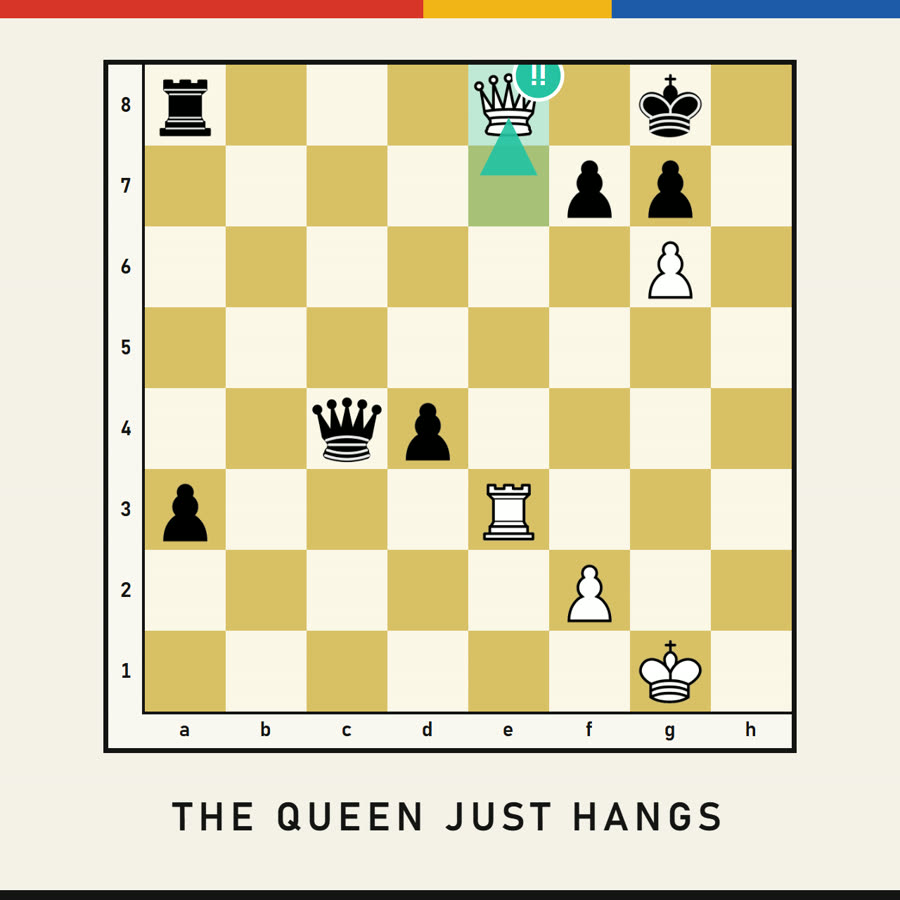
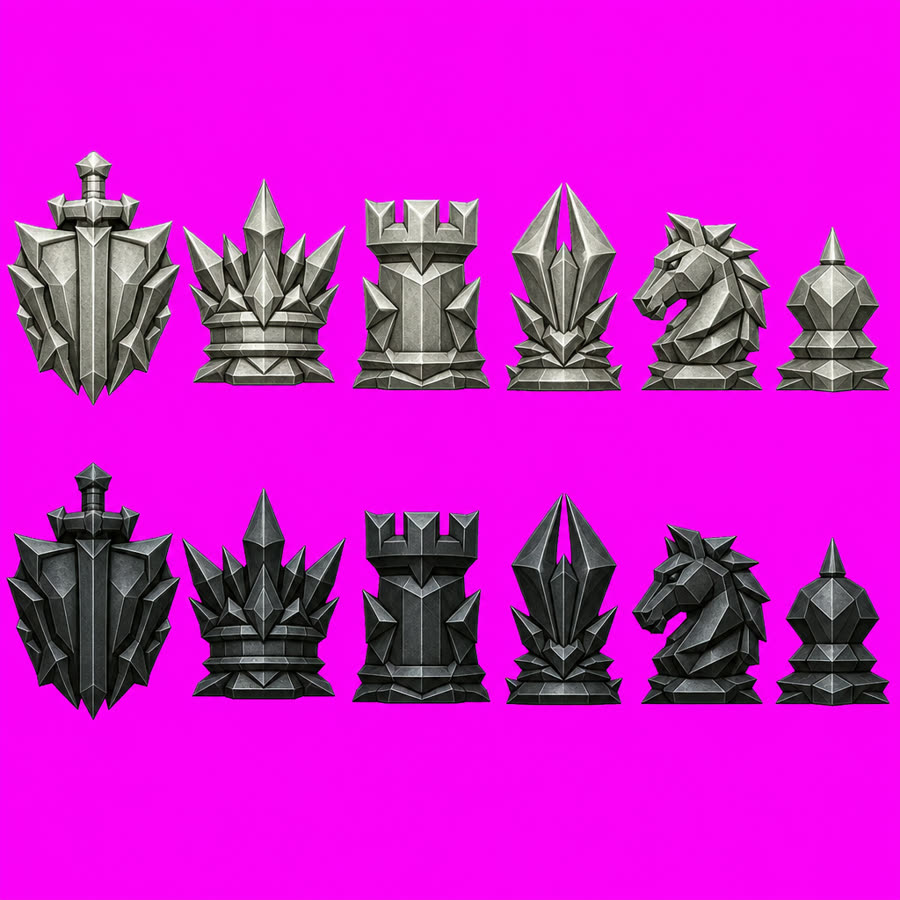
Image models can't draw a chessboard — they can't count repeating squares. So boards are rendered from code and every puzzle is proven before it ships: mate in exactly N, a single winning move, brilliants verified by Stockfish at depth 20. The rule that governs all of it: break the frame, never the board. AI builds the world around the board — marble halls, dragons, neon arcades — while the board itself stays exact. 389 cards, 100 videos, zero boards drawn by a neural net.
Traffic that reaches the product
Views are vanity until they land. Over 112 days the content operation delivered 4,357–5,624 new users to the site — 29–38% of everything it acquired — tracked through UTM channels, WhatsApp campaigns and a conservative model for direct traffic (puzzle posts carry no link; the domain is printed on the card and typed by hand). Streamer-driven YouTube traffic is reported as not mine.
Playable pre-landers
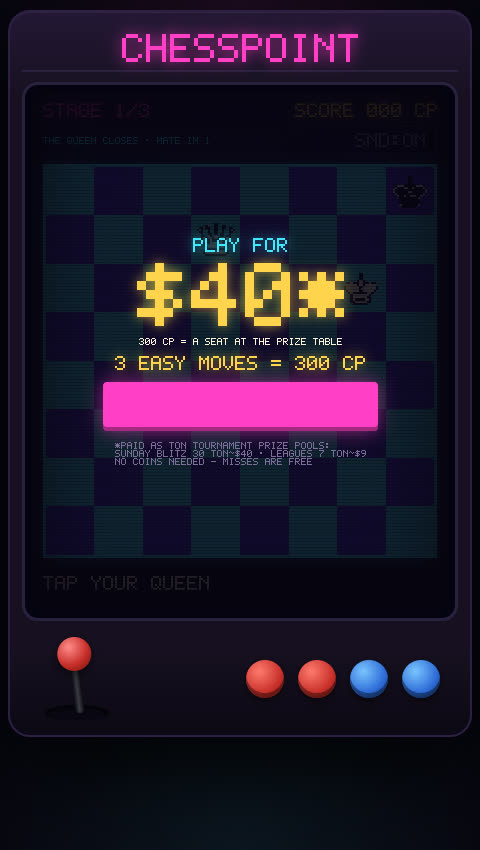
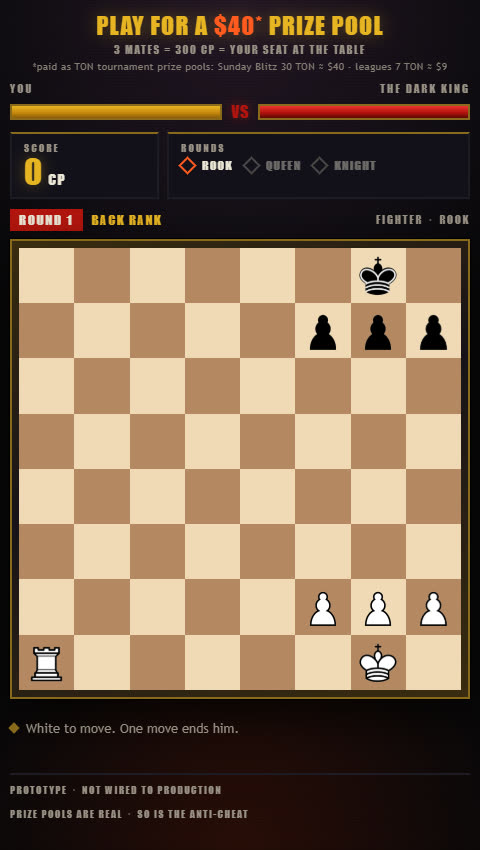
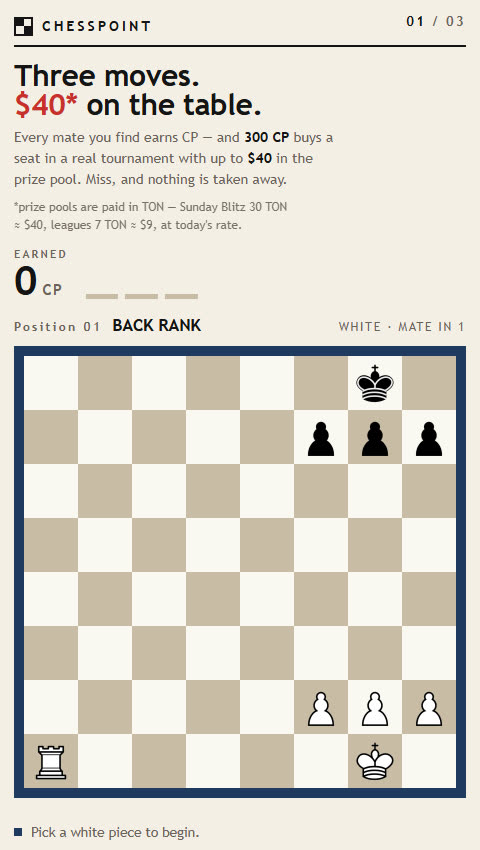
A layer between the ad and the product where the visitor wins a chess puzzle before being asked for anything — an arcade build, a Mortal Kombat fight, a board on a stage. Losing is impossible by design. Session time went from 43 seconds to 4.1 minutes. There are four of them now.
A tournament that starts with a puzzle
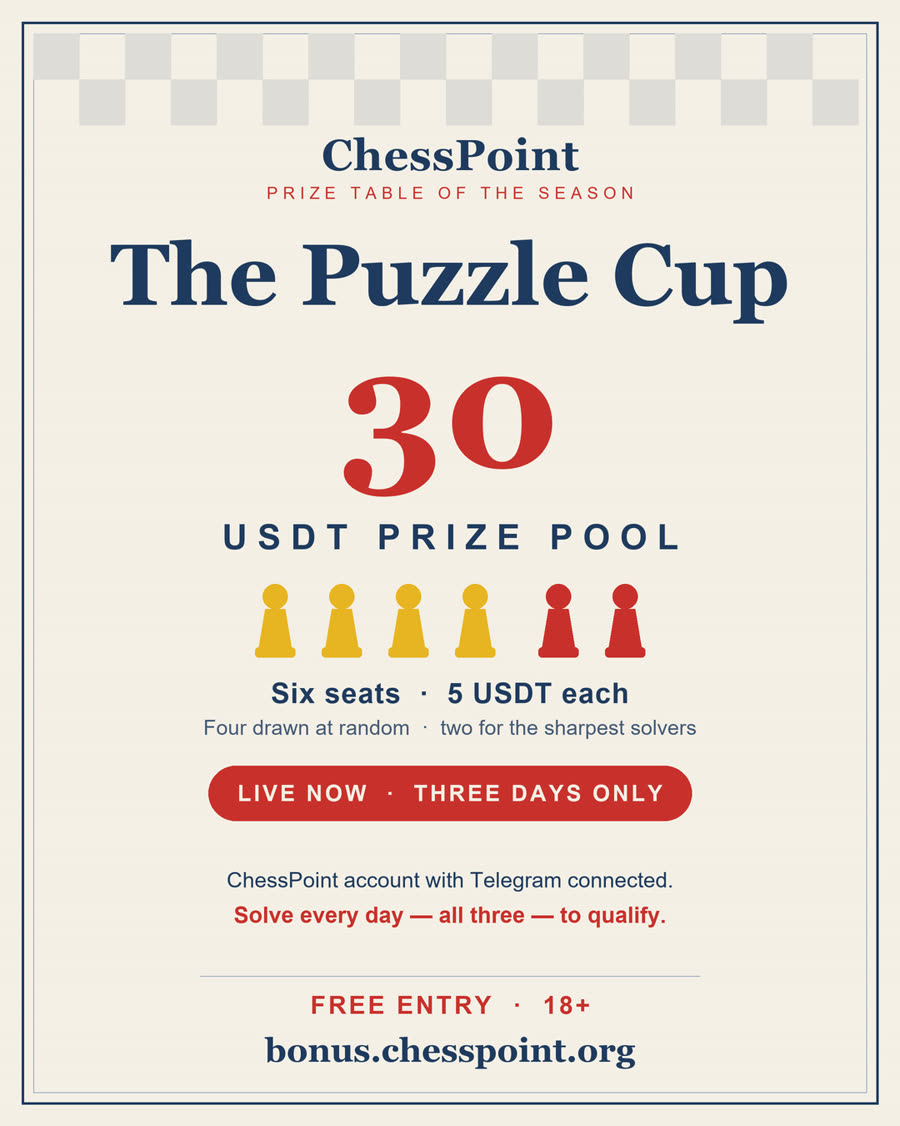
Puzzle Cup, 19 September – 17 October: three puzzles first, log-in through Telegram after. 180 mate-in-one puzzles from the open Lichess database, 60 per level, each checked with python-chess. 54% of entrants reached the last step of the funnel, against 27% through the standard arena entry.
The visual production system
An edit engine, now in its eighth version: HTML → headless Chrome → ffmpeg, every frame a pure function of time, moves and effects landing on fractions of the track, sound effects synthesised locally. A mate-animation kit in Python and ffmpeg at 60 fps, where every line is checked with python-chess before rendering and camera smoothness is measured per frame. A 38-theme poster generator with automated contrast QC, a footage library of 372 clips with licenses tracked, and an AI-generated streamer persona for the India market with the funnel folded into the first comment.